
Non-surgical care in Culver City
Shockwave Therapy in Culver City
- Exam before any treatment
- Honest advice on the evidence
- Plan reviewed at every visit
- 5601 W Slauson Ave, Suite 266, Culver City

The short answer
What is shockwave therapy?
No incisions or needles
Treatment is delivered from the outside with a handheld applicator.
A series of short visits
Protocols commonly use several in-office visits, often about a week apart.
Exam comes first
We confirm the likely source of your pain before any treatment.
What the evidence says
Conditions people ask about
Heel pain (plantar fasciitis)
The most common reason people ask about shockwave. The FDA has approved several devices for chronic cases that did not respond to conservative care. Trials give mixed results, with some showing short-term gains in pain and function.
Calcific shoulder tendinopathy
Some trials, mostly using higher-energy treatment, report less pain and better function. Many studies are small, so results are uncertain.
Achilles tendinopathy
Results are mixed. Some trials favor shockwave over sham or other care, and others do not. Strengthening remains the foundation of treatment.
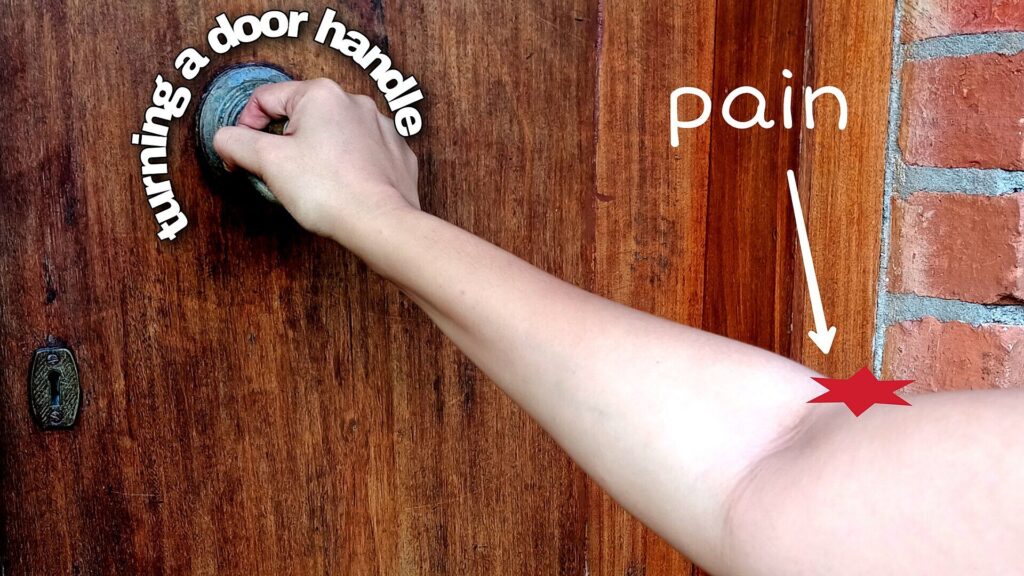
Tennis elbow
One device is FDA-approved for chronic cases, yet the best-quality trials show little benefit beyond a placebo. We will say so plainly and suggest a better-supported plan if there is one.
Other tendon problems
For the knee, hip or shin, the evidence is limited. Treatment here is a shared decision after your exam, with a clear point to review whether it helps.
Not sure what is causing your pain?

How it works
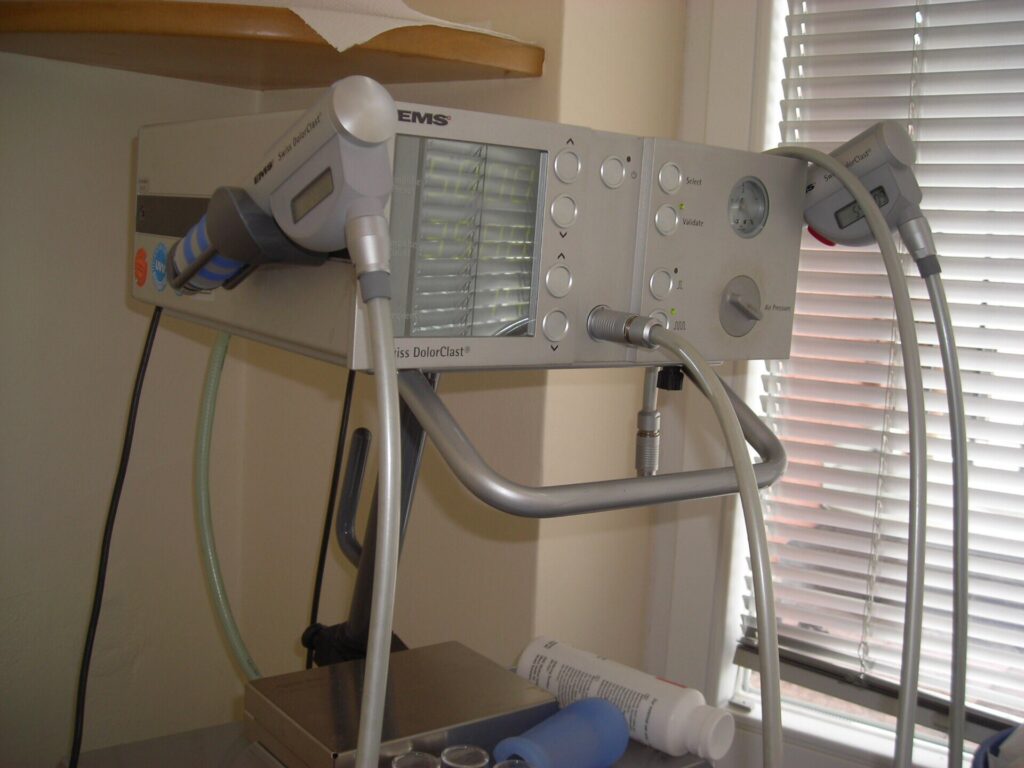
What shockwave treatment involves
- Delivered from outside the body
- No recovery period for most people
- Intensity adjusted to what you can tolerate
Your visit
What to expect, step by step
1
Exam
2
Plan
3
Treatment
4
Review
Is it right for you?
Who shockwave therapy may suit, and who should check first
Often a reasonable option when
- Your pain has lasted for months
- An exam points to a tendon or soft-tissue source
- Rest, exercise and footwear changes have not been enough
- You want a non-surgical next step
Tell us before treatment if
- You are pregnant or might be
- You have a bleeding disorder or take blood thinners
- There is an infection, open wound or tumor in the area
- You have a pacemaker or other implanted device
- The patient is a child or teen with open growth plates
Complete care
Shockwave works best as part of a plan
Spinal decompression
Non-surgical care for disc-related back and neck pain.
EMTT magneto therapy
Magnetic-field therapy for deeper tissue pain.
Class 4 laser (HILT)
Laser therapy for pain and soft-tissue problems.
Acupuncture
Needle-based care that can sit alongside other treatment.
In the office
Watch: shockwave therapy at Culver Spine
Questions, answered
Shockwave therapy FAQs
What is shockwave therapy used for?
Shockwave therapy, or ESWT, is most often used for long-standing heel pain (plantar fasciitis), calcific shoulder tendinopathy, Achilles tendinopathy, tennis elbow and other tendon problems. Evidence differs by condition, so we confirm the likely source of your pain with an exam before recommending it.
Does shockwave therapy work?
It depends on the condition. Some people with chronic heel pain or calcific shoulder tendinopathy report benefit, and the FDA has approved several devices for chronic plantar fasciitis. For tennis elbow, the best-quality trials show little benefit beyond a placebo. Results also vary from person to person, so we set a clear point to review whether it is helping.
Is shockwave therapy painful?
Most people feel tapping or pressure and some discomfort over the tender spot. We adjust the intensity to what you can tolerate, and you can ask us to pause or stop at any time.
How many shockwave sessions will I need?
It varies. Treatment is usually a series of visits, often about a week apart, and we review your pain and function at each one. If you are not improving, we change the plan instead of continuing out of habit.
Who should not have shockwave therapy?
Common reasons to avoid or delay it include pregnancy, bleeding disorders or blood thinners, infection, an open wound or a tumor in the treatment area, a pacemaker or other implanted device, and open growth plates in children and teens. Tell us your full health history, and your provider will make the final call after your exam.
What happens after a session?
Soreness, redness or mild bruising can occur. Many people return to light daily activity right away, and we give you advice on exercise and activity for the days that follow.
Can shockwave be combined with other care?
Often, yes. It can sit alongside spinal decompression, EMTT magneto therapy, Class 4 laser therapy, acupuncture or chiropractic care, depending on your diagnosis.
Does insurance cover shockwave therapy?
Many insurance plans treat shockwave therapy as investigational and may not cover it. Call us at (424) 228-4638 or send a message and we will answer coverage and pricing questions before you book.
How do I book shockwave therapy in Culver City?
Call (424) 228-4638 or book online. Culver Spine is at 5601 W Slauson Ave, Suite 266, Culver City, CA 90230.
