
Why Your Back Keeps Going Out, and What a Culver City Chiropractor Does About It
Recurring Back Pain Guide
Written by Dr. Mina, Culver Spine · 7 min read
Bending to pick up a laundry basket. Reaching for something in the back seat. Standing up from a chair you’ve used a thousand times. It catches, you move carefully for a few days, and then it eases and you forget about it until it happens again three months later.
If that sounds familiar, you may have started to think of your back as unreliable. This guide explains why it isn’t random, what is happening underneath, and what breaks the cycle for our patients at Culver Spine in Culver City.
Quick answer: a back that keeps “going out” usually has a joint that stopped moving through its full range. Nearby muscles and segments compensate, so you can feel nothing for weeks until an irritated spot flares. A chiropractic adjustment restores motion at the stuck segment, and movement between visits helps that motion hold.
The warning was there the whole time
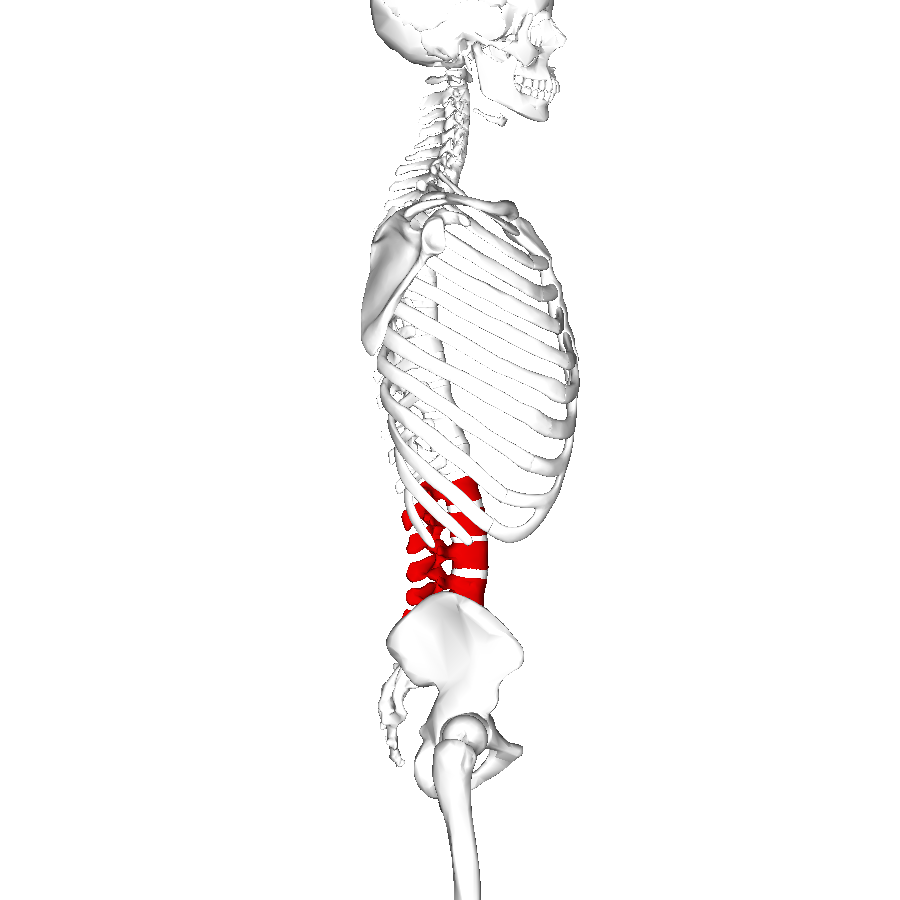
A joint in your spine or pelvis loses range. A slip, a car accident, a bad lift or a season of sitting still can do it, or it can build slowly with no clear cause. Your body covers for the gap: muscles take on work they weren’t built for, a neighboring segment moves too much, and one hip carries more than the other. That is why people say the pain started “out of nowhere.” The restriction and the compensation came first. The symptom came last.
The loop that brings it back
Irritated tissue tightens and the joint is used less. Your nervous system learns that pattern and keeps it after the pain fades, because it feels safe. The cycle looks like this:
- The restricted joint limits movement.
- Neighboring segments and muscles compensate.
- An irritated spot flares.
- You rest for a week, it settles, and the restriction stays.
“It went away on its own” almost always means it quieted down. It does not mean it resolved, and that difference decides whether you are back in pain next quarter.
What an adjustment actually does
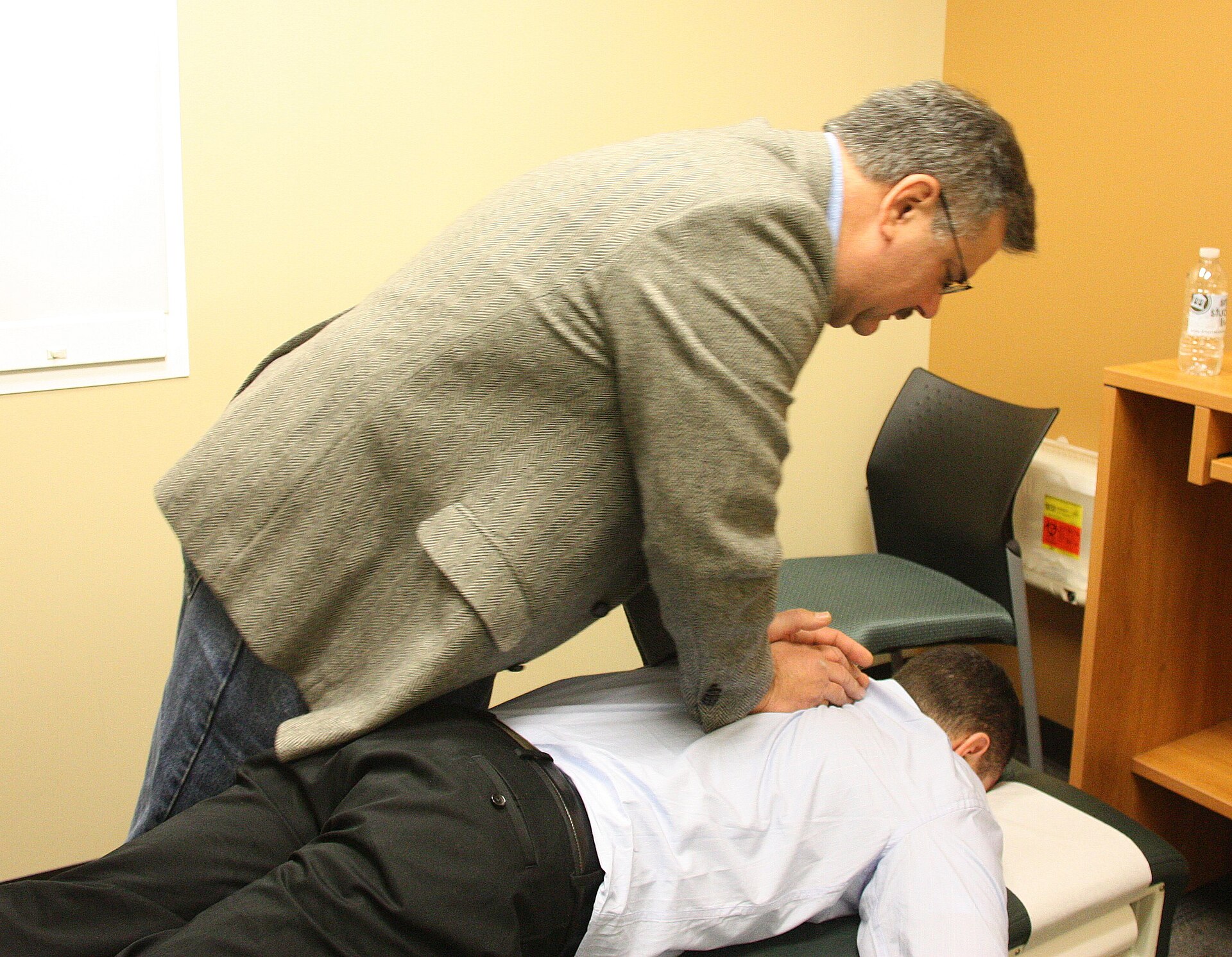
An adjustment is a specific, controlled movement to one joint, in one direction, at a speed your muscles can’t guard against. The aim is to restore motion at the stuck segment and to interrupt the protective pattern around it.
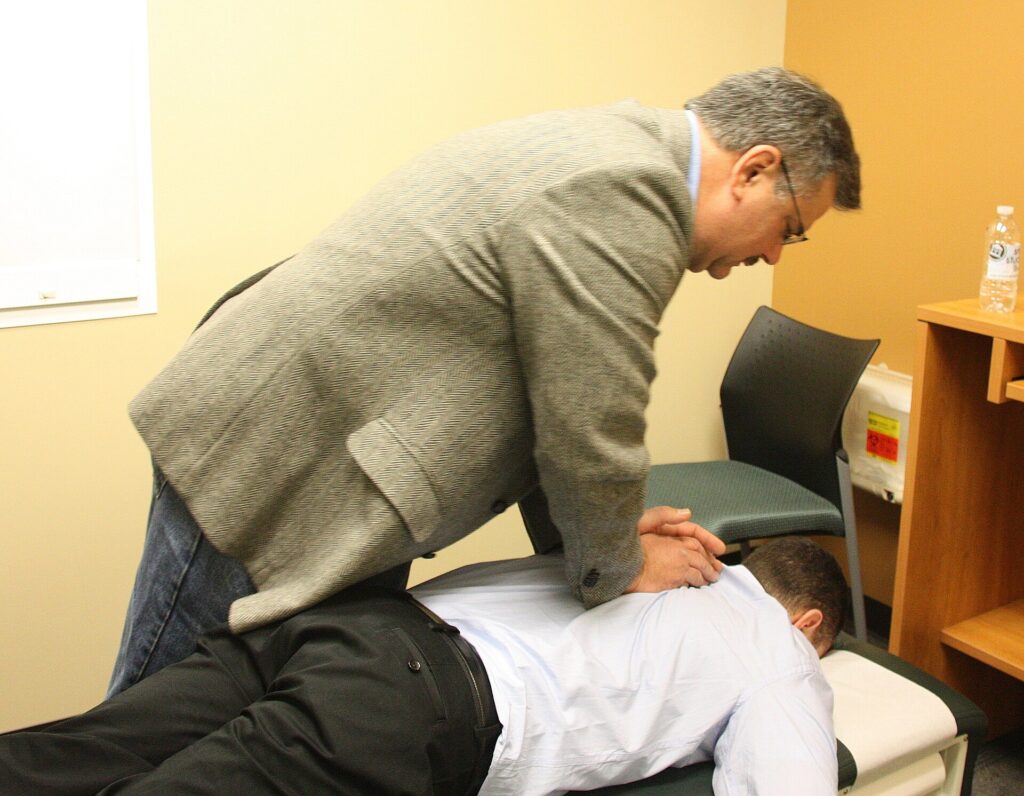
The pop you may hear is gas releasing from the joint fluid, like cracking a knuckle. It is not the treatment and not proof it worked, and plenty of patients regain movement with no pop. What changes is that you turn your head where you intended, or stand up with no catch, because a locked joint is moving again.
That is also why our exam comes before the adjustment. The joint that hurts is rarely the one that started the problem, so we look for the stuck segment, not only the sore one. See our low back pain care in Culver City page, or read about different methods for back pain treatment and the benefits of chiropractic treatment.
What makes the result last
Between visits
A specific stretch or small habit change keeps the joint from locking up again. Some patients do about forty seconds a day.Rebuilding load
Teaching your body to carry things again, instead of being protected from everything. See our guide to strength training and injury risk.Patients who do the home work often hold their adjustment for months. Those who skip it tend to return every couple of weeks. Same adjustment, different outcome.
How often will you need to come in?
It depends on your age, how long the restriction has been there, how much of your day you sit and whether you do the between-visit work. Some patients come weekly for a stretch and taper off, others monthly, others twice a year when something flares. We do not quote a fixed number before an exam.
What an adjustment is not
An adjustment does not fix a herniated disc or reverse degeneration visible on an MRI, and it does not replace surgery or medication when a case needs them. What it does is restore motion at a segment that lost it and reduce the protective tension around it.
Get same-day medical care if back pain comes with numbness in the saddle area, loss of bladder or bowel control, or sudden weakness in both legs.
Recurring back pain in Culver City: common questions
Why does my back keep going out every few months?
Usually a joint in your spine or pelvis has stopped moving through its full range, and nearby muscles compensate. The pain eases but the restriction stays, so the same movement triggers it again.
Does the popping sound mean it worked?
No. It is gas releasing from joint fluid. Many patients regain movement without a pop, and what counts is restored motion at the stuck segment.
How many visits will I need?
It depends on how long the restriction has been there, your age, how much you sit and whether you do the home exercises. Plans range from weekly for a stretch to a couple of visits a year, set after an exam.
Can chiropractic care fix a herniated disc?
No. An adjustment does not fix a herniated disc or reverse degeneration seen on an MRI, and it does not replace surgery or medication when they are needed.
When is back pain an emergency?
If it comes with saddle-area numbness, loss of bladder or bowel control, or sudden weakness in both legs, get same-day medical care.
Where is Culver Spine located?
5601 W Slauson Ave, Suite 266, Culver City, CA 90230. Call (424) 228-4638.
Make the next three months about your plans, not your back
The next step isn’t a lifelong commitment. It’s an assessment: how your spine and joints move, which segment has been stuck, and an honest answer on whether chiropractic care fits, including when it doesn’t.
Or call (424) 228-4638 or send us a message. Bring the pattern: when it catches tells us more than the pain does.
Also in Orange: the La Veta Wellness guide to recurring back pain and Dr. Mina’s low back pain care in Orange.